


Handling damaged steel profiles is a crucial aspect of maintaining the quality and integrity of your construction or manufacturing projects. As a trusted steel profiles supplier, we understand the challenges that come with damaged materials and are here to guide you through the process of effectively managing such situations.
Understanding the Types of Damage
Steel profiles can suffer from various types of damage, each with its own causes and implications. One common type of damage is physical deformation. This can occur during transportation, handling, or due to external forces on the construction site. For example, a sharp impact or excessive weight can cause bends, dents, or twists in Hot Rolled Equal Angle or Steel I Beam Header.
Corrosion is another significant issue. Steel is prone to rust when exposed to moisture and oxygen over time. This can weaken the structure of the steel profiles, reducing their load - bearing capacity and overall durability. Bulb flat steel, such as Bulb Flat Steel, is also vulnerable to corrosion, especially in marine or high - humidity environments.
Surface damage, including scratches and abrasions, may seem minor at first glance. However, these can act as entry points for corrosion and can also affect the aesthetic appearance of the steel profiles, which is important for applications where visual appeal is a factor.
Inspection and Assessment
The first step in handling damaged steel profiles is a thorough inspection. When the steel profiles arrive at your site, it is essential to conduct a visual inspection immediately. Look for any obvious signs of damage such as visible bends, cracks, or signs of corrosion. Use measuring tools to check for any dimensional deviations from the specified standards.
For more in - depth assessment, non - destructive testing (NDT) methods can be employed. Ultrasonic testing can detect internal flaws such as cracks within the steel structure. Magnetic particle inspection is useful for detecting surface and near - surface defects in ferromagnetic steels. These inspection methods help to accurately determine the extent and severity of the damage.
Based on the inspection results, you need to classify the damage. Minor damage, such as small scratches or surface rust, may be repairable. Moderate damage, like small bends or localized corrosion, may require more involved repair processes. Severe damage, such as large cracks or significant deformation, may render the steel profile unusable and require replacement.
Repairing Damaged Steel Profiles
Minor Damage Repair
For minor surface scratches, the first step is to clean the area thoroughly. Use a wire brush or sandpaper to remove any loose debris, rust, or paint from the scratched surface. After cleaning, apply a rust - inhibiting primer to prevent further corrosion. Once the primer is dry, a matching paint can be applied to restore the appearance of the steel profile.
Surface rust can be treated with a rust converter. This chemical product converts the iron oxide (rust) into a more stable compound, which can then be painted over. For best results, follow the manufacturer's instructions carefully.
Moderate Damage Repair
To repair small bends in steel profiles, specialized equipment such as hydraulic presses or jacks can be used. The process should be carried out carefully to avoid causing further damage. First, measure the correct dimensions of the undamaged part of the profile. Then, use the equipment to gradually straighten the bent section until it matches the required dimensions.
Localized corrosion can be removed by abrasive blasting. This method uses high - pressure air or water to propel abrasive materials at the corroded surface, effectively removing the rust. After blasting, the surface should be cleaned and coated with a protective layer to prevent future corrosion.
Severe Damage
In cases of severe damage, such as large cracks or extensive deformation, it is usually not advisable to attempt repairs. The structural integrity of the steel profile may have been compromised to a point where it cannot safely support the intended load. In such situations, the damaged profile should be replaced with a new one. Make sure to follow the proper procedures for disposing of the damaged steel to comply with environmental regulations.
Preventive Measures
Preventing damage to steel profiles in the first place is always better than dealing with repairs. During transportation, use proper packaging and securing methods. Steel profiles should be protected with padding to prevent scratches and dents. They should be stacked and secured in a way that prevents shifting during transit.
On the construction site, store steel profiles in a dry, well - ventilated area. Elevate them off the ground to prevent contact with moisture. If possible, cover the profiles with a waterproof tarp to protect them from rain and humidity.
Regular maintenance is also essential. Inspect the steel profiles periodically for signs of damage or corrosion. Apply protective coatings as recommended by the steel manufacturer to extend the lifespan of the profiles.
Quality Control and Assurance
As a steel profiles supplier, we have a strict quality control system in place. Before shipping our products, we conduct comprehensive inspections to ensure that all steel profiles meet the required standards. We use advanced testing equipment and follow industry - recognized procedures to detect any potential issues.

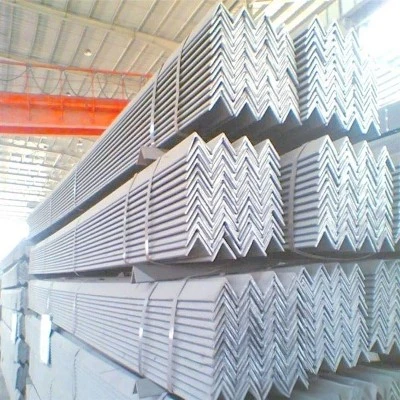
In the event that you receive damaged steel profiles from us, we take full responsibility. Our customer service team is available to assist you in resolving the issue promptly. We can provide replacement profiles, offer technical support for repairs, or work with you to find the best solution for your specific situation.
Conclusion
Handling damaged steel profiles requires a systematic approach. By understanding the types of damage, conducting thorough inspections, and choosing the appropriate repair or replacement methods, you can ensure the safety and quality of your projects. As a reliable steel profiles supplier, we are committed to providing high - quality products and excellent customer service. If you have any questions about steel profiles or need assistance with damaged materials, we encourage you to contact us for procurement and further discussions.
References
- "Steel Construction Manual" by American Institute of Steel Construction
- "Corrosion of Metals" by Uhlig and Revie
- Industry standards and guidelines for steel profile manufacturing and handling


