


Hey there! As a bolt nut supplier, I've been in the business long enough to know that flange nuts with bolts are more than just simple fasteners. They play a crucial role in a wide range of applications, and today, I'm gonna break down their functions for you.
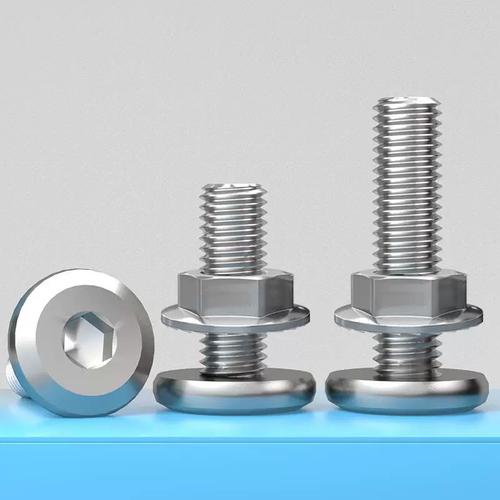
First off, let's talk about what a flange nut is. A flange nut is a type of nut that has a wide flange at one end. This flange acts like a washer, spreading the load over a larger area. When you pair it with a bolt, it creates a really secure connection.
One of the main functions of a flange nut with a bolt is to provide a tight and stable joint. In many mechanical systems, vibrations are a big issue. These vibrations can cause regular nuts to loosen over time. But when you use a flange nut, the wide flange helps to grip the surface better. It distributes the pressure evenly, reducing the chances of the nut coming loose due to vibrations. For example, in automotive engines, where there are a lot of moving parts and high levels of vibration, flange nuts with bolts are often used to keep components in place.
Another important function is load distribution. When a bolt is tightened, it creates a clamping force. This force holds the two or more parts together. With a flange nut, the load is spread out over a larger area compared to a regular nut. This is especially important in applications where the materials being joined are soft or have a low surface area. For instance, in wooden structures, using a flange nut with a bolt can prevent the wood from being crushed under the pressure of the bolt. The flange distributes the clamping force, protecting the wood and ensuring a stronger connection.
Flange nuts with bolts also offer corrosion resistance. Many flange nuts are made from materials like stainless steel or zinc-plated steel. These materials are resistant to rust and corrosion, which is crucial in environments where the fasteners are exposed to moisture or chemicals. For example, in marine applications, where the equipment is constantly exposed to saltwater, using a flange nut with a bolt made from corrosion-resistant material can significantly extend the lifespan of the connection.
 Now, let's talk about the ease of installation. Flange nuts are relatively easy to install compared to using a separate nut and washer. Since the flange is already integrated into the nut, you don't have to worry about aligning a washer correctly. This saves time and reduces the chances of making a mistake during installation. In large-scale construction projects, where time is of the essence, using flange nuts with bolts can increase efficiency.
In addition to these functions, flange nuts with bolts are also versatile. They can be used in a variety of industries, including construction, manufacturing, and automotive. Whether you're building a skyscraper, assembling a machine, or working on a car, flange nuts with bolts can be a reliable choice.
If you're in the market for high-quality fasteners, I highly recommend checking out our High Strength Bolts and Nuts. We offer a wide range of flange nuts and bolts that are designed to meet the highest standards of quality and performance.
If you have any questions or are interested in purchasing our products, feel free to reach out. We're always happy to help you find the right fasteners for your project. Whether you're a DIY enthusiast or a professional contractor, we've got the products you need to get the job done right.
References:
- Engineering Handbook on Fasteners
- Automotive Manufacturing Standards Manual


