


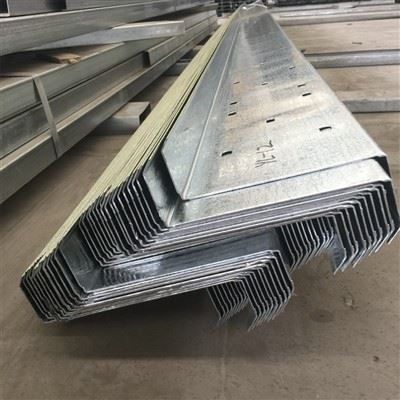
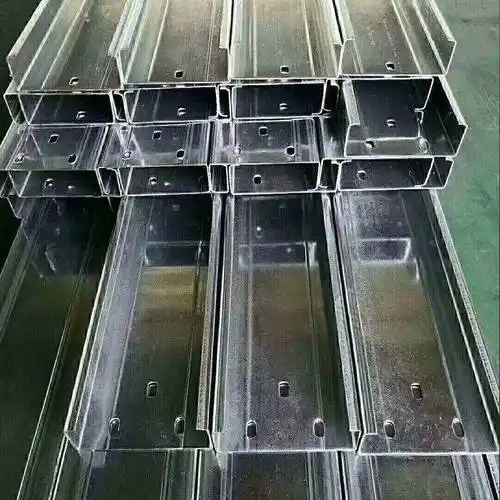

Hey there! As a steel profiles supplier, I've seen firsthand how important it is to drill holes in steel profiles accurately. Whether you're working on a construction project, fabricating machinery, or doing some DIY work, getting those holes right can make all the difference. In this blog post, I'm going to share some tips and tricks on how to drill holes in steel profiles accurately.
1. Choose the Right Drill Bit
The first step in drilling holes in steel profiles is to choose the right drill bit. You can't just use any old drill bit; you need one that's designed for drilling through steel. High-speed steel (HSS) drill bits are a popular choice for drilling steel. They're tough, can handle high temperatures, and are relatively affordable. For harder steels, you might want to consider carbide-tipped drill bits. They're more expensive but can last longer and drill through tough materials more easily.
When selecting a drill bit, make sure it's the right size for the hole you need to drill. You can find drill bit sizes marked on the shank of the bit. If you're not sure what size you need, measure the diameter of the fastener or the part that will fit into the hole.
2. Prepare the Steel Profile
Before you start drilling, you need to prepare the steel profile. First, clean the surface where you're going to drill. Remove any dirt, grease, or rust. You can use a wire brush or sandpaper to clean the surface. This will help the drill bit grip the steel better and prevent it from slipping.
Next, mark the spot where you want to drill the hole. You can use a center punch to make a small indentation in the steel. This will help the drill bit start in the right place and prevent it from wandering. Just place the center punch on the marked spot and give it a sharp tap with a hammer.
3. Set Up the Drilling Machine
If you're using a drill press, make sure it's set up correctly. Adjust the speed of the drill press according to the type of drill bit and the thickness of the steel. As a general rule, slower speeds are better for drilling through steel. You can refer to the drill bit manufacturer's recommendations for the best speed settings.
If you're using a handheld drill, make sure it's in good working condition. Check the chuck to make sure it's tight and can hold the drill bit securely. You might also want to use a drill guide to help keep the drill bit straight.
4. Use Cutting Fluid
Using cutting fluid is crucial when drilling through steel. Cutting fluid helps to cool the drill bit, reduce friction, and prevent the drill bit from overheating. You can use a commercial cutting fluid or make your own by mixing oil and water. Just apply the cutting fluid to the drill bit and the surface of the steel before you start drilling.
5. Drill the Hole
Now it's time to start drilling. Apply steady pressure to the drill bit as you start to drill. Don't push too hard, or you might break the drill bit. Let the drill bit do the work. As you drill, keep adding cutting fluid to keep the drill bit cool.
If you're drilling a deep hole, you might need to stop periodically to clear the chips from the hole. You can use a chip brush or compressed air to remove the chips. This will prevent the chips from clogging the drill bit and causing it to overheat.
6. Check the Hole
Once you've drilled the hole, check it to make sure it's the right size and depth. You can use a caliper or a drill gauge to measure the diameter of the hole. If the hole is too small, you can use a larger drill bit to ream it out. If the hole is too large, you might need to fill it and start over.
7. Finish the Hole
After you've drilled the hole, you might want to finish it to make it smoother. You can use a deburring tool to remove any burrs or sharp edges from the hole. This will make it easier to insert fasteners and prevent them from getting damaged.
Some Popular Steel Profiles for Drilling
As a steel profiles supplier, I offer a variety of steel profiles that are commonly used for drilling. Here are a few examples:
- Steel I Beam Header: These are great for construction projects where you need to support heavy loads. They're strong and can be drilled easily to attach other components.
- Stainless H Beam: Stainless steel H beams are corrosion-resistant and are often used in outdoor or marine applications. They can be drilled to create custom structures.
- Hot Rolled Steel Bar: Hot rolled steel bars are versatile and can be used in a wide range of applications. They're easy to drill and can be cut to the desired length.
Conclusion
Drilling holes in steel profiles accurately takes a bit of practice, but with the right tools and techniques, you can get great results. Remember to choose the right drill bit, prepare the steel profile, use cutting fluid, and take your time. If you have any questions or need help with your steel profile needs, feel free to reach out. We're here to assist you with all your steel profile requirements and can help you find the best solutions for your projects. Whether you're a professional contractor or a DIY enthusiast, we've got the products and expertise to support you.
References
- "Machinery's Handbook" - A comprehensive reference for machining and manufacturing processes.
- Drill bit manufacturer's guidelines for specific drill bit types and applications.


