


Steel pipes are essential components in various industries, from construction and infrastructure to oil and gas. As a steel pipe supplier, I often receive inquiries about the materials used to make these pipes. In this blog post, I'll delve into the different materials commonly used in steel pipe manufacturing, their properties, and their applications.
Carbon Steel
Carbon steel is one of the most widely used materials for steel pipes. It consists primarily of iron and carbon, with small amounts of other elements such as manganese, silicon, and sulfur. The carbon content in carbon steel can range from 0.05% to 2.0%, which significantly affects its properties.

- Low Carbon Steel: Also known as mild steel, low carbon steel contains less than 0.3% carbon. It is highly malleable and ductile, making it easy to form and weld. Low carbon steel pipes are commonly used in applications where strength is not the primary concern, such as water and gas pipelines, structural frameworks, and general-purpose piping systems.
- Medium Carbon Steel: With a carbon content between 0.3% and 0.6%, medium carbon steel offers a good balance of strength and ductility. It is often used in applications that require higher strength, such as machinery parts, automotive components, and structural supports.
- High Carbon Steel: High carbon steel contains more than 0.6% carbon, which gives it excellent hardness and wear resistance. However, it is also more brittle than low and medium carbon steels. High carbon steel pipes are typically used in applications where high strength and wear resistance are required, such as cutting tools, springs, and wire ropes.
Alloy Steel
Alloy steel is a type of steel that contains additional elements, such as chromium, nickel, molybdenum, and vanadium, to enhance its properties. These elements can improve the strength, hardness, corrosion resistance, and heat resistance of the steel.
- Stainless Steel: Stainless steel is a popular alloy steel that contains at least 10.5% chromium, which forms a protective oxide layer on the surface of the steel, preventing corrosion. Stainless steel pipes are widely used in applications where corrosion resistance is critical, such as food processing, chemical processing, and marine environments.
- Chrome-Molybdenum Steel: Chrome-molybdenum steel, also known as chrome-moly or Cr-Mo steel, contains chromium and molybdenum, which improve its strength, hardness, and heat resistance. Chrome-moly steel pipes are commonly used in high-temperature applications, such as power generation, oil and gas refining, and aerospace.

- Nickel Alloy Steel: Nickel alloy steel contains nickel, which enhances its corrosion resistance and toughness. Nickel alloy steel pipes are often used in applications where high corrosion resistance is required, such as chemical processing, marine engineering, and nuclear power plants.
Welded Steel Pipes
Welded steel pipes are made by joining two or more pieces of steel together using welding techniques. There are several types of welded steel pipes, each with its own manufacturing process and characteristics.
- Electric Resistance Welded (ERW) Pipes: ERW pipes are made by heating the edges of a steel strip and then pressing them together to form a seam. This process is fast and efficient, making ERW pipes a popular choice for a wide range of applications. ERW pipes are commonly used in water and gas pipelines, structural frameworks, and automotive components.
- Submerged Arc Welded (SAW) Pipes: SAW pipes are made by welding a steel strip or plate using a submerged arc welding process. This process involves feeding a consumable electrode into the weld pool while a layer of flux covers the weld area. SAW pipes are known for their high strength and quality, making them suitable for high-pressure applications, such as oil and gas pipelines.
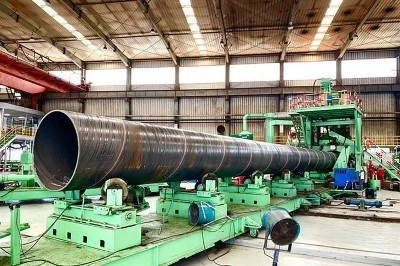
- Helical Welded Pipe: Helical welded pipes are made by spirally winding a steel strip and then welding the edges together. This process allows for the production of large-diameter pipes with a continuous weld seam. Helical welded pipes are commonly used in large-scale infrastructure projects, such as water and sewage pipelines, and offshore oil and gas platforms.

Seamless Steel Pipes
Seamless steel pipes are made from a solid steel billet that is heated and then pierced to form a hollow tube. This process eliminates the need for a weld seam, resulting in a stronger and more reliable pipe.
- Seamless Cylinder Tubes: Seamless cylinder tubes are used in a variety of applications, including hydraulic cylinders, pneumatic cylinders, and automotive shock absorbers. They are known for their high strength, precision, and smooth surface finish.
- Seamless Boiler Tubes: Seamless boiler tubes are used in boilers and heat exchangers to transfer heat from the combustion chamber to the water or steam. They are designed to withstand high temperatures and pressures, making them suitable for power generation and industrial applications.
- Seamless Oil and Gas Tubing: Seamless oil and gas tubing is used in the exploration and production of oil and gas. It is designed to withstand high pressures and harsh environments, making it suitable for use in offshore and onshore oil and gas fields.
LSAW Steel Pipe

Longitudinal Submerged Arc Welded (LSAW) steel pipes are made by welding a steel plate along its length using a submerged arc welding process. LSAW steel pipes are known for their high strength, large diameter, and excellent weld quality. They are commonly used in high-pressure applications, such as oil and gas pipelines, water transmission, and structural engineering.
Conclusion
In conclusion, the materials used to make steel pipes vary depending on the application and the required properties. Carbon steel, alloy steel, welded steel pipes, seamless steel pipes, and LSAW steel pipes are all commonly used in the manufacturing of steel pipes. Each type of steel pipe has its own unique properties and advantages, making it suitable for different applications.
As a steel pipe supplier, I understand the importance of providing high-quality products that meet the specific needs of my customers. Whether you need carbon steel pipes for a water pipeline, stainless steel pipes for a chemical processing plant, or seamless steel pipes for an oil and gas project, I can offer a wide range of steel pipes to meet your requirements.
If you are interested in purchasing steel pipes or have any questions about the materials used to make them, please feel free to contact me. I would be happy to discuss your needs and provide you with a quote.
References
- ASME Boiler and Pressure Vessel Code
- API Specification 5L
- ASTM International Standards
- ISO Standards


