Hey there! As a supplier of steel profiles, I've seen firsthand how crucial it is to improve the durability of these materials. Whether you're in construction, manufacturing, or any other industry that relies on steel, making your steel profiles last longer can save you a ton of money and hassle in the long run. So, in this blog post, I'm gonna share some tips on how to boost the durability of steel profiles.
1. Choose the Right Steel Grade
The first step in improving the durability of steel profiles is to select the right steel grade. Different steel grades have different properties, and choosing the one that suits your specific application is essential. For example, if you're using steel profiles in a corrosive environment, you'll want to go for a stainless steel grade that has high resistance to rust and corrosion.


On the other hand, if you need high strength and toughness, you might consider a high-strength low-alloy (HSLA) steel. These steels have a good balance of strength and ductility, making them suitable for a wide range of applications. You can check out our Hot Rolled Steel Bar for a great option that offers good strength and durability.
2. Proper Surface Treatment
Surface treatment is another key factor in enhancing the durability of steel profiles. Applying a protective coating can prevent corrosion and extend the lifespan of the steel. There are several types of surface treatments available, such as galvanizing, painting, and powder coating.
Galvanizing involves coating the steel with a layer of zinc, which acts as a sacrificial anode and protects the steel from rust. It's a popular choice for outdoor applications where the steel is exposed to the elements. Painting and powder coating, on the other hand, can provide a decorative finish while also protecting the steel from corrosion. You can find more information about different surface treatments on our Steel I Beam Header page.
3. Correct Installation and Handling
Proper installation and handling of steel profiles are crucial for their durability. During installation, make sure to follow the manufacturer's guidelines and use the correct tools and techniques. Incorrect installation can lead to stress concentrations, which can weaken the steel and reduce its lifespan.
When handling steel profiles, avoid dropping or hitting them, as this can cause dents and scratches that can compromise the integrity of the steel. It's also important to store the steel profiles properly to prevent damage. Keep them in a dry, well-ventilated area and protect them from moisture and other corrosive substances.
4. Regular Maintenance
Regular maintenance is essential for keeping steel profiles in good condition. Inspect the steel profiles regularly for signs of corrosion, damage, or wear. If you notice any issues, take action immediately to prevent further damage.
Clean the steel profiles regularly to remove dirt, debris, and other contaminants. You can use a mild detergent and water to clean the surface, and then dry it thoroughly to prevent rust. If the steel profiles have a protective coating, make sure to touch up any areas where the coating has been damaged.
5. Consider the Environment
The environment in which the steel profiles are used can have a significant impact on their durability. If the steel is exposed to harsh conditions, such as high humidity, saltwater, or chemicals, it's important to take extra precautions to protect it.
For example, if you're using steel profiles in a coastal area, you'll need to choose a steel grade that has high resistance to saltwater corrosion. You might also want to apply a more robust protective coating or use additional corrosion prevention measures, such as cathodic protection. You can learn more about the impact of the environment on steel durability on our Bulb Flat Steel page.
6. Use Quality Accessories
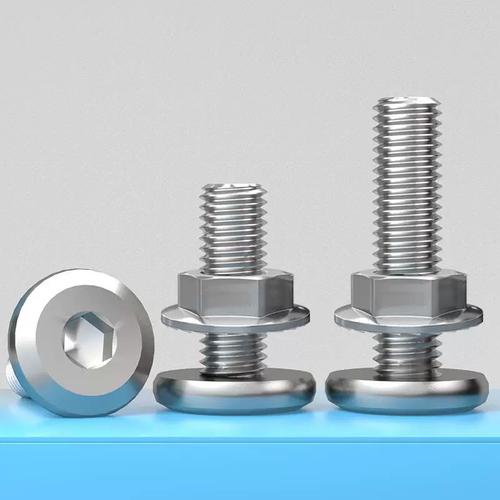
Using high-quality accessories can also improve the durability of steel profiles. For example, using the right bolts, nuts, and washers can ensure a secure connection and prevent loosening over time. Make sure to choose accessories that are compatible with the steel profiles and are made from materials that have similar corrosion resistance.
7. Optimize Design
The design of the steel profiles can also affect their durability. A well-designed steel profile can distribute stress evenly and reduce the risk of fatigue and failure. When designing steel structures, consider factors such as the load requirements, the type of application, and the environmental conditions.
For example, if you're designing a steel beam, make sure to choose the right cross-sectional shape and size to ensure that it can withstand the expected loads. You might also want to consider adding additional reinforcement or bracing to improve the structural integrity of the beam.
Conclusion
Improving the durability of steel profiles is a multi-faceted process that involves choosing the right steel grade, applying proper surface treatment, ensuring correct installation and handling, performing regular maintenance, considering the environment, using quality accessories, and optimizing the design. By following these tips, you can extend the lifespan of your steel profiles and save money in the long run.
If you're interested in purchasing high-quality steel profiles or have any questions about improving their durability, feel free to reach out to us. We're here to help you find the best solutions for your needs.
References
- "Steel Construction Manual," American Institute of Steel Construction
- "Corrosion of Steel in Concrete," National Association of Corrosion Engineers
- "Design of Steel Structures," Lin Tung-Yen