As a supplier of Clad Steel Pipe, I understand the critical importance of thorough inspections before installation. In this blog, I'll delve into the various aspects of inspecting clad steel pipes to ensure their quality and performance.
1. Visual Inspection
Visual inspection is the first and most basic step in evaluating clad steel pipes. It involves a careful examination of the pipe's exterior and interior surfaces.
- Exterior Surface: Check for any visible defects such as scratches, dents, cracks, or corrosion. These imperfections can compromise the integrity of the pipe and lead to premature failure. Look for signs of uneven coating or delamination of the cladding layer. Any irregularities in the surface finish can affect the pipe's ability to withstand environmental conditions and fluid flow.
- Interior Surface: Inspect the inner surface of the pipe for smoothness and uniformity. Rough or pitted surfaces can cause turbulence in the fluid flow, leading to increased friction and potential damage to the pipe. Ensure that the cladding layer on the interior is intact and free from any visible defects.
2. Dimensional Inspection
Accurate dimensions are crucial for the proper installation and performance of clad steel pipes. Dimensional inspection involves measuring the pipe's outer diameter, wall thickness, and length.
- Outer Diameter: Use a caliper or micrometer to measure the outer diameter of the pipe at multiple points along its length. The measured values should be within the specified tolerance range. Deviations from the standard diameter can cause problems during installation, such as misalignment or improper fitting.
- Wall Thickness: Measure the wall thickness of the pipe using ultrasonic testing or other appropriate methods. The wall thickness should be consistent throughout the pipe and meet the design requirements. Inconsistent wall thickness can lead to uneven stress distribution and potential failure under pressure.
- Length: Check the length of the pipe to ensure it meets the specified requirements. Any significant deviations in length can affect the installation process and the overall performance of the pipeline.
3. Material Testing
Material testing is essential to verify the quality and properties of the clad steel pipe. It involves analyzing the chemical composition and mechanical properties of the base metal and the cladding layer.
- Chemical Composition: Perform a chemical analysis of the base metal and the cladding layer to ensure they meet the specified standards. The chemical composition can affect the pipe's corrosion resistance, strength, and other properties. Use techniques such as spectroscopy or wet chemical analysis to determine the elemental composition of the materials.
- Mechanical Properties: Test the mechanical properties of the pipe, including its tensile strength, yield strength, and elongation. These properties are crucial for determining the pipe's ability to withstand pressure and external forces. Conduct tensile tests, hardness tests, and other appropriate tests to evaluate the mechanical performance of the pipe.
4. Non - Destructive Testing (NDT)
Non - destructive testing methods are used to detect internal defects in the clad steel pipe without causing damage to the pipe.

- Ultrasonic Testing (UT): Ultrasonic testing is used to detect internal flaws such as cracks, voids, or inclusions in the pipe. High - frequency sound waves are sent through the pipe, and any reflections from defects are detected. UT can provide detailed information about the size, location, and nature of the defects.
- Radiographic Testing (RT): Radiographic testing uses X - rays or gamma rays to create an image of the internal structure of the pipe. It can detect hidden defects that may not be visible through visual inspection. RT is particularly useful for detecting weld defects and internal corrosion.
- Magnetic Particle Testing (MT): Magnetic particle testing is used to detect surface and near - surface defects in ferromagnetic materials. A magnetic field is applied to the pipe, and magnetic particles are sprayed on the surface. Any defects will cause a disruption in the magnetic field, which is indicated by the accumulation of magnetic particles.
5. Weld Inspection
If the clad steel pipe has welded joints, it is essential to inspect the welds for quality.
- Visual Weld Inspection: Check the welds for proper bead shape, size, and appearance. Look for any signs of cracks, porosity, or lack of fusion. The welds should be smooth and free from any visible defects.
- Weld NDT: Use non - destructive testing methods such as ultrasonic testing or radiographic testing to detect internal weld defects. Weld defects can significantly affect the strength and integrity of the pipe, so it is crucial to ensure that the welds meet the required standards.
6. Coating Inspection
The cladding layer on the pipe provides protection against corrosion and other environmental factors. It is important to inspect the coating for quality and integrity.
- Coating Thickness: Measure the thickness of the cladding layer using appropriate methods. The coating thickness should be within the specified range to ensure adequate protection.
- Coating Adhesion: Test the adhesion of the cladding layer to the base metal. A strong bond between the coating and the base metal is essential for long - term performance. Use methods such as pull - off testing to evaluate the coating adhesion.
Conclusion
Thorough inspection of clad steel pipes before installation is crucial to ensure their quality, performance, and longevity. By conducting visual inspections, dimensional checks, material testing, non - destructive testing, weld inspections, and coating inspections, we can identify and address any potential issues before the pipes are installed.
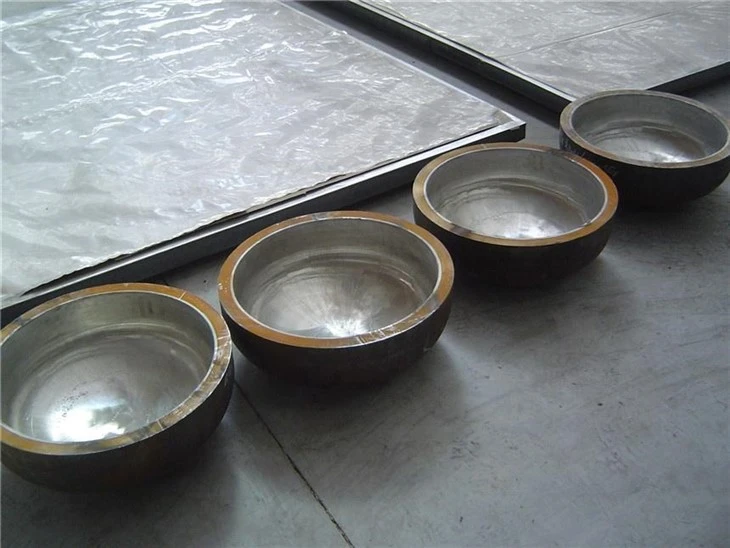
If you are in the market for high - quality Clad Steel Pipe, Clad Steel Pipe is your reliable choice. We also offer Composite Pipe Fitting and Composite Steel Plate to meet your diverse needs. Contact us to discuss your specific requirements and start a procurement negotiation.
References
- ASME Boiler and Pressure Vessel Code
- ASTM Standards for Steel Pipes and Fittings
- API Specifications for Oil and Gas Pipelines