

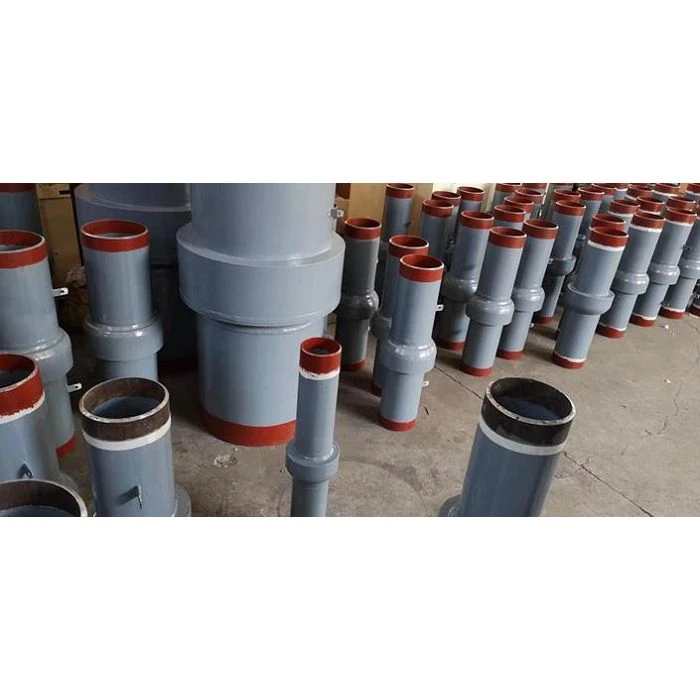


Insulating joints, insulating flanges and flange insulation kits are key components for electrical isolation and corrosion control in pipeline systems. Through insulating gaskets, insulating rings, bolt sleeves, seals and insulated fasteners, they maintain media flow capability while interrupting electrical continuity between connected pipe sections, equipment and dissimilar metals.
Sunlion Steel offers a complete range from monolithic insulating joints and welded insulating joints to insulating flanges and flange insulation kits, covering oil and gas transmission, city gas distribution, chemical plants, LNG/LPG terminals, water treatment lines and offshore applications.
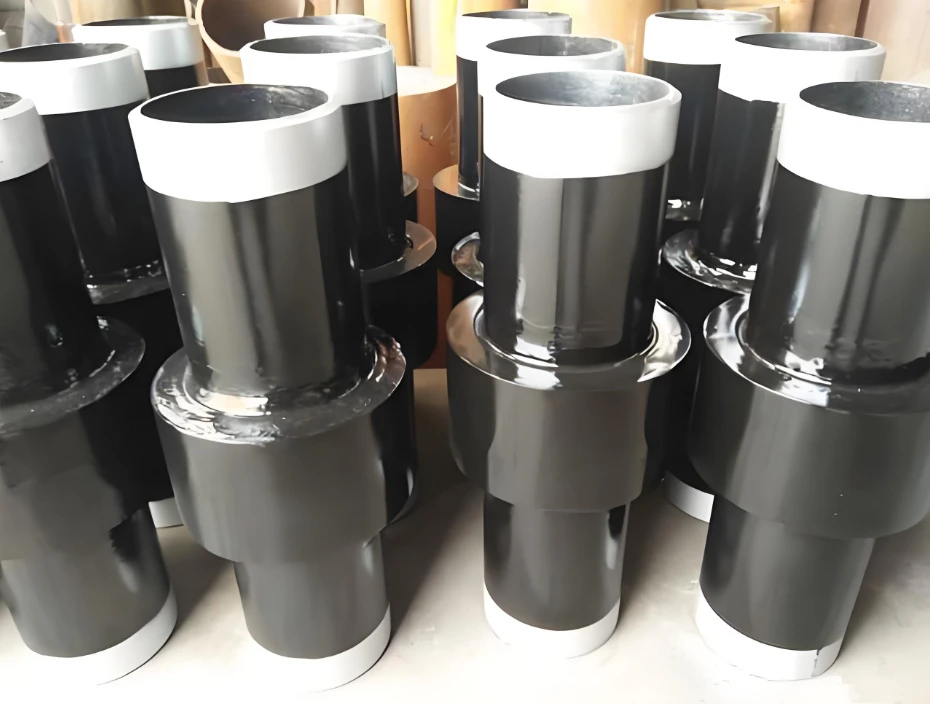
Main Product Types
|
Product Type |
Key Features |
Typical Applications |
|
Monolithic Insulating Joint |
Fully sealed assembly with insulating ring, sealing elements and sleeve; high pressure capability, low maintenance |
Buried transmission pipelines, high-pressure main lines |
|
Welded Insulating Joint |
Welded to pipeline ends; compact structure and reliable sealing |
Gas, oil, water and chemical pipelines |
|
Insulating Flange |
Bolted assembly with insulating gasket, sleeves and washers; removable |
Regulating stations, metering stations, equipment connections |
|
Flange Insulation Kit |
Insulating gasket, bolt sleeves, insulating washers and steel washers |
Retrofit insulation, offshore platforms, refineries |
|
Special Service Types |
PTFE, epoxy fiberglass, FKM, duplex steel options |
H2S, CO2, seawater and chemical service |
Structure & Working Principle
A monolithic insulating joint typically consists of left/right flanges or pup pieces, a sleeve, insulating rings, sealing rings, insulating filler and an external anti-corrosion coating. The insulating elements break the electrical path, while the sealing system prevents medium leakage and the coating reduces environmental corrosion.
An insulating flange achieves electrical isolation through an insulating gasket and bolt sleeves between the two flanges. Flange insulation kits serve as a retrofit solution for electrical isolation at existing bolted flange connections.
Typical Technical Parameters
The following are common industry ranges; final specifications shall follow the project technical agreement:
• Size range: DN15-DN1200, customizable
• Pressure rating: Class 150-2500 / PN1.0-PN40
• Media: oil, natural gas, city gas, LNG, LPG, water, chemicals, mineral slurry
• Temperature: commonly -20 C to 80/100 C; higher by material selection
• Insulation resistance: typically >=10 Mohm, tested per project requirement
• Dielectric strength: typically >=3 kV to >=5 kV, tested per applicable standard
• Hydrostatic test: typically 1.5 x design pressure
• Air-tight test: typically equal to design pressure
• NDT: RT/UT/MT/PT available per ASME V, ASME VIII or project requirements
• External coating: FBE, two-component epoxy, heat-shrinkable sleeve, etc.
Material Options
|
Component |
Common Materials |
Remarks |
|
Pup / body |
API 5L Gr. B, X42-X70; ASTM A106; ASTM A694 F42-F80 |
Matched with pipeline material |
|
Flange |
ASTM A105, A350 LF2, A182, stainless steel, duplex steel |
Selected by pressure, temperature and medium |
|
Insulating parts |
ASTM D709 G10/G11 epoxy fiberglass, PTFE |
High insulation, low water absorption |
|
Sealing parts |
NBR, EPDM, FKM, PTFE |
Selected by medium and temperature |
|
Fasteners |
ASTM A193, A194, stainless steel, alloy steel |
Used with insulating sleeves and washers |
|
External coating |
FBE, two-component epoxy, heat-shrink sleeve |
Required for buried service |
Applicable Standards
Design, manufacturing and inspection can be executed in accordance with the following international standards and project specifications:
• ASME B16.5 - Pipe Flanges and Flanged Fittings
• ASME B16.47 - Large Diameter Steel Flanges
• ASME B16.25 - Butt-Welding Ends
• ASME B31.3 Process Piping / ASME B31.4 Liquids and Slurries / ASME B31.8 Gas Transmission and Distribution
• ASME BPVC Section VIII Pressure Vessels / ASME Section V Nondestructive Examination
• API 5L Line Pipe / API 1104 Welding of Pipelines and Related Facilities
• ASTM A105 / A350 / A182 / A193 / A194 / A694 Forgings and Fastener Materials
• ASTM D709 Laminated Thermosetting Materials for Insulating Components
• ISO 15589-1 / ISO 15589-2 Cathodic Protection of Pipeline Transportation Systems (On-land / Offshore)
• NACE / AMPP SP0286 Electrical Isolation of Cathodically Protected Pipelines and corrosion control requirements
• Client specifications, EPC standards and third-party inspection requirements
Typical Applications
• Cathodic protection sectionalization of crude oil, product and natural gas pipelines
• City gas distribution, regulating, metering and storage stations
• LNG/LPG terminals and chemical process pipelines
• Water, seawater and offshore pipeline systems
• Electrical isolation between dissimilar metals
• Buried, above-ground, wall-penetration and station installations
Why Choose Sunlion Steel
• Full product coverage: insulating joints, monolithic joints, insulating flanges and insulation kits in one supply.
• International standards: executed to ASME, API, ASTM, ISO and NACE/AMPP.
• Customizable materials and pressure ratings: carbon steel, stainless steel, low-temperature steel, duplex steel and sour-service options.
• Reliable testing: insulation resistance, dielectric strength, hydrostatic, air-tight and NDT reports available.
• Procurement-friendly: datasheet confirmation, third-party inspection and complete documentation.
RFQ Information
Please provide the following for a quotation:
1. Product type: insulating joint / monolithic insulating joint / insulating flange / flange insulation kit
2. Size: DN or NPS
3. Pressure rating: PN or Class
4. Applicable standard: ASME, API, ISO, NACE/AMPP or project specification
5. Body material and pipeline material
6. Medium, operating temperature and installation environment
7. Insulation resistance, dielectric strength and test requirements
8. External coating requirements
9. Third-party inspection, material certificates and test report requirements
10. Quantity, delivery time and destination or project location
Frequently Asked Questions (FAQ)
Q: 1. What is the difference between an insulating joint and an insulating flange?
A: An insulating joint is usually a monolithic or welded assembly with the insulating and sealing elements enclosed in a sleeve or housing. It provides higher integrity and is suitable for buried transmission pipelines and high-pressure service. An insulating flange is a bolted, removable assembly commonly used at stations, metering points and equipment connections.
Q: 2. What is the main function of an insulating joint?
A: An insulating joint provides electrical isolation between pipeline sections. It helps prevent stray current flow and loss of cathodic protection current, reducing the risk of electrochemical corrosion while maintaining pressure containment and sealing performance.
Q: 3. Which standards can the product be designed and manufactured to?
A: Products can be designed and manufactured in accordance with ASME B16.5, ASME B16.47, ASME B16.25, ASME B31.3/B31.4/B31.8, API 5L, API 1104, ASTM, ISO 15589, NACE/AMPP SP0286 and client project specifications. The final applicable standards shall be confirmed in the technical agreement.
Q: 4. Which media are suitable for insulating joints?
A: They are suitable for crude oil, refined products, natural gas, city gas, LNG, LPG, water, seawater, chemical media and mineral slurry. Sealing and insulating materials are selected according to medium, temperature and pressure.
Q: 5. What are the typical insulation resistance and dielectric strength values?
A: Insulation resistance is typically >=10 Mohm, and dielectric strength is commonly >=3 kV to >=5 kV. Final test methods, acceptance criteria and test reports shall follow project specifications or client requirements.
Q: 6. Can you supply products for high-pressure, high-temperature or sour service?
A: Yes. Materials such as API 5L, ASTM A105, A350 LF2, A182, duplex stainless steel and stainless steel can be selected, with NBR, EPDM, FKM or PTFE sealing options. For H2S, CO2, seawater or high-temperature service, materials can be evaluated per NACE/AMPP and client specifications.
Q: 7. What tests and certificates can be provided?
A: We can provide hydrostatic test, air-tight test, insulation resistance test, dielectric strength test, NDT reports, material certificates, dimensional inspection reports and factory release certificates. Third-party inspection by SGS, BV, DNV or other client-nominated agencies can also be arranged.
Q: 8. Can flange insulation kits be used for existing flanges?
A: Yes. A flange insulation kit typically includes an insulating gasket, bolt sleeves, insulating washers and steel washers. It can be used to retrofit existing bolted flanges for electrical isolation. Before installation, flange standard, pressure class, bolt size, medium temperature and sealing requirements should be checked.
Q: 9. What is the typical delivery time?
A: For standard sizes, delivery can usually be arranged within 2-6 weeks after technical confirmation. For large diameters, high pressure, special materials or third-party inspection, the delivery schedule will be confirmed based on manufacturing and testing requirements.
Q: 10. What information is required for an RFQ?
A: Please provide product type, size, pressure rating, applicable standard, body and pipeline material, medium, operating temperature, installation environment, insulation resistance and dielectric test requirements, coating requirements, inspection and documentation requirements, quantity, and destination or project location.
Hot Tags: insulating joints, monolithic insulating joints, insulating flanges & flange insulation kits | sunlion steel, China insulating joints, monolithic insulating joints, insulating flanges & flange insulation kits | sunlion steel manufacturers, suppliers, factory


